AI automation and agentic workflows

The grind, automated.

Agentic workflows that take the repetitive work off your team, with a human on the loop where it counts. Built by engineers who automated their own agency first.

Agentic automation for the work your team quietly resents

Every business runs on a layer of repetitive work nobody enjoys and everyone tolerates. Lead routing, quote drafting, stitching data between systems that refuse to talk, the monthly reporting pack, the follow-ups that slip when things get busy. None of it is hard. All of it is constant. If your team does it weekly and groans, it is a candidate for agentic automation.

Agentic workflows, in plain terms

Agentic workflows, in plain terms

Older automation followed rigid rules and broke the moment reality varied. An AI agent can read a messy input, reason about it, take several steps to an outcome and adapt when the situation is not textbook. That suits the variable work rules-based automation never could: routing an enquiry, drafting a quote from a brief, pulling numbers from three places into one report.

  • Reads messy inputs and reasons rather than matching exact rules
  • Handles variable work older automation could never manage
  • The agent does the legwork, a person owns the outcome
Human on the loop, by design

Human on the loop, by design

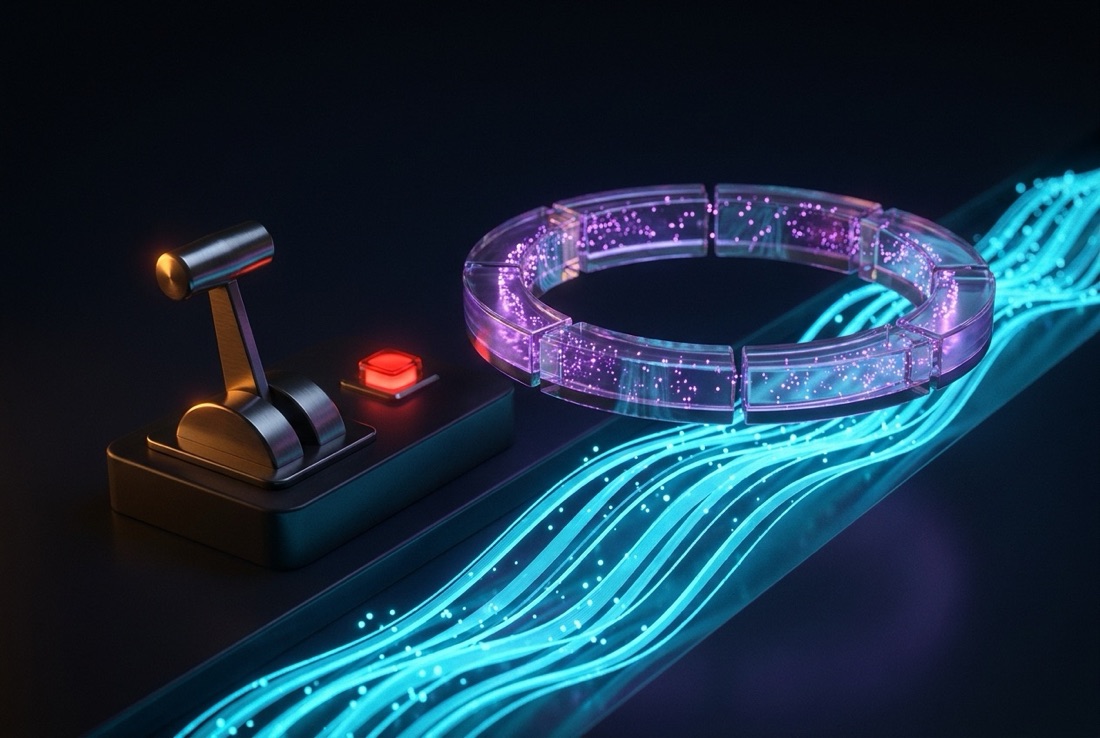
The shift is from a human in the loop executing the work to a human on the loop governing it. We agree with the direction and stay conservative about the speed. Every automation we ship has an owner, an audit trail and a kill switch. Agents draft, humans approve, systems log. Unsupervised automation in the wrong place manufactures a cleanup job.

  • Every automation has an owner, an audit trail and a kill switch
  • Agents draft, humans approve, systems log
  • Human stays in the loop on every run where a mistake is costly
We automated ourselves first

We automated ourselves first

This is not theory we read about. Our own agency runs on it. Our campaign management, our reporting drafts and our build pipelines are powered by agents, with our people setting strategy and signing off. We sell what we already operate, so we know where these workflows are brittle, where they need a human, and where the time actually comes back.

  • Campaign management, reporting and build pipelines run on agents
  • Our people set strategy and sign off on the output
  • We sell what we operate, so we know where it is brittle
One workflow at a time, measured in hours

One workflow at a time, measured in hours

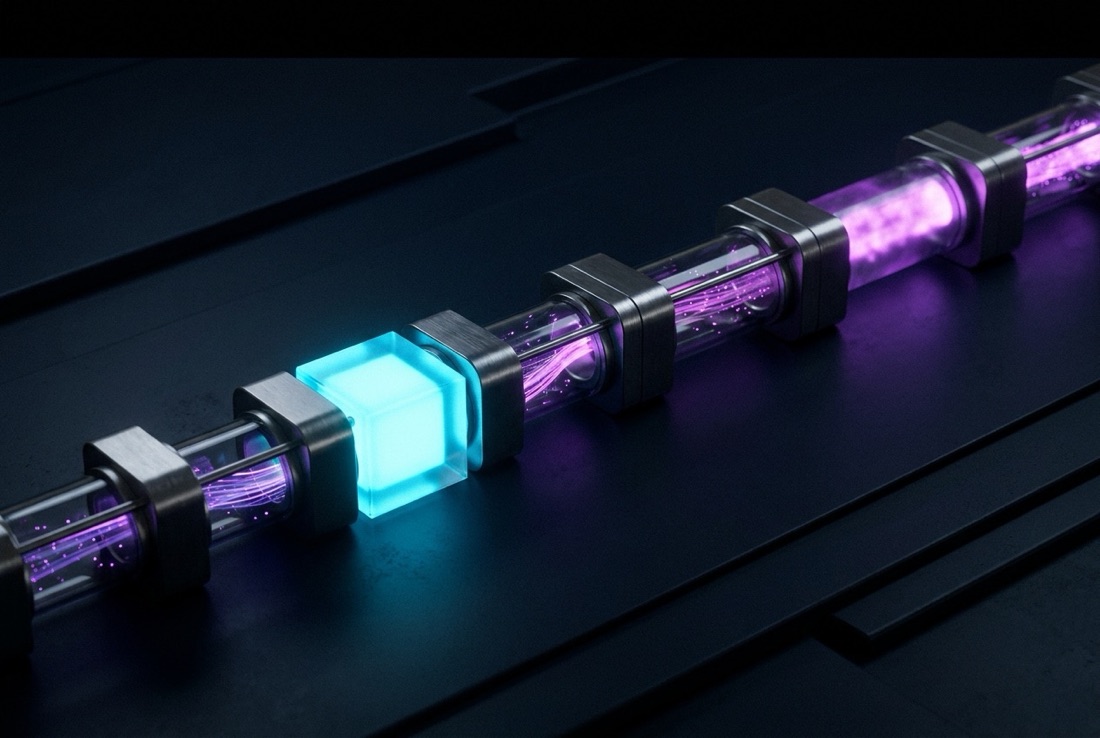
We do not sell a twelve-month transformation. We map one workflow, automate it end to end, measure the hours it returns, then pick the next. Compounding beats big-bang: each automation pays for itself and funds the next, and you never bet the business on one sweeping project. We integrate where your work already happens, your CRM, inbox, accounting and job tools, to production standards with monitoring.

  • One workflow mapped, automated end to end, then the next
  • Real integrations into your CRM, inbox and tools, with monitoring
  • Every workflow reports the hours it gives back

Why build with us

We automated ourselves first.

Three reasons our automation work holds up where prompt-tinkering falls over.

01

We run this in our own business

Our campaign management, reporting drafts and build pipelines run on agents, with our people setting strategy and signing off. We sell what we operate, so we know where these workflows are brittle and where they need a human.

02

Engineers, not prompt hobbyists

We build real integrations into your CRM, inbox and tools to production standards, with monitoring and audit trails. The same engineers who build our software build your automations, so the plumbing is treated as software.

03

Measured in hours returned

Every workflow reports the time it gives back, not an invented productivity percentage. The business case stays visible, and because we automate one process at a time, each one pays for itself before we build the next.

Trusted by Perth and Australian businesses

Mazda Subaru Ford Kia Ford & Doonan Chery Hyundai Nissan Mitsubishi GWM Honda Mazda Subaru Ford Kia Ford & Doonan Chery Hyundai Nissan Mitsubishi GWM Honda

How a build runs

One workflow at a time, compounding.

Phase 1 Week 1

Map one workflow

We pick the process your team does weekly and resents, map how it really works, agree the owner, the audit trail and the point where a human signs off.

Phase 2 Weeks 2 to 3

Build it end to end

We build the agent and the real integrations into your systems to production standards, with monitoring and a kill switch, so it works on live data rather than in a demo.

Phase 3 Weeks 3 to 4

Measure the hours back

We run it under supervision, confirm it behaves on the messy edge cases and measure the time it actually returns, so the value is proven not promised.

Phase 4 Ongoing

Compound to the next

With one workflow paying for itself, we move to the next, stacking automations that each fund the one after rather than betting the business on a single big project.

FAQs

Straight answers.

What should we automate first?

The work your team does weekly and resents: lead routing, quote drafting, report building, data entry between systems, follow-ups that slip. We map one workflow, automate it end to end and measure the hours back before moving to the next.

Is it safe to let AI run our processes?

It is when it is built our way. Agents draft, humans approve and systems log. Every automation has an owner, an audit trail and a kill switch. Where a mistake would be costly, a human stays in the loop on every run.

What is the difference between this and the automation we already have?

Rules-based automation breaks the moment reality varies. Agentic workflows can read a messy input, reason about it and take several steps to an outcome, which suits the variable work older automation never could.

Do you actually use this yourselves?

Yes. Our campaign management, reporting drafts and build pipelines run on agents, with our people setting strategy and signing off. We sell what we operate, so we know where these workflows need a human.

Will it integrate with our systems?

We build real integrations with your CRM, inbox and tools to production standards, with monitoring. The same engineers who build our software build your automations, so the plumbing is treated as software, not a throwaway script.

How do you prove it is worth it?

Every workflow reports the time it saves. The business case stays visible, and because we automate one process at a time, each one pays for itself before we build the next.

How long before we see value?

The first workflow is usually live and returning hours within weeks, not months. We deliberately avoid big-bang projects that take a year to show anything.

Name the task your team hates most.

Let's Talk